


News
ACADEMIC PARTNERSHIP — NEW OPPORTUNITIES FOR SCIENTIFIC DEVELOPMENT
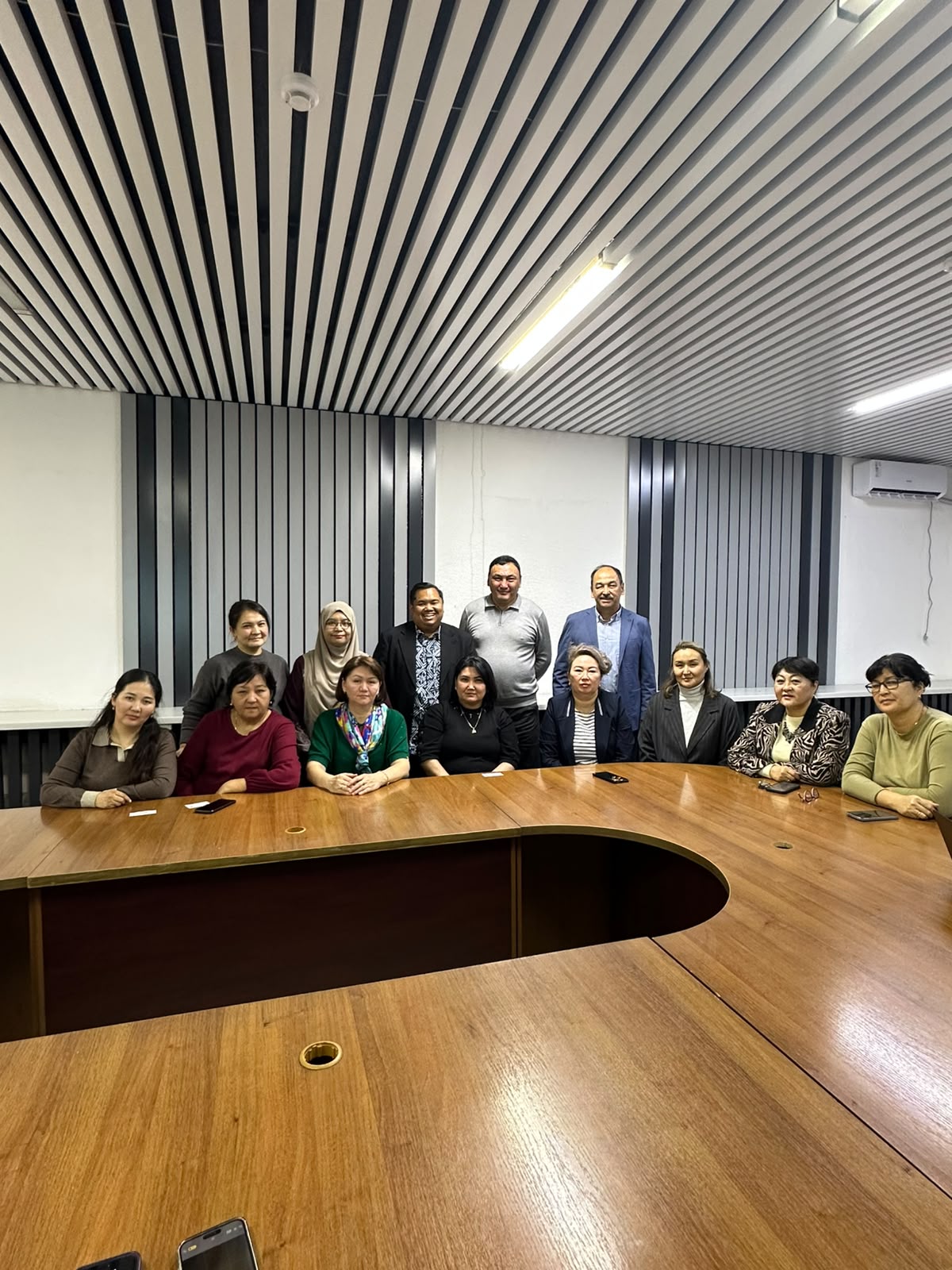
Between November 1 and November 14, 2026, a series of academic meetings was organized at the M. Auezov Research University, featuring Professors Shamsudin Rosnah and Muhammad Hazban bin Hamzah—both of whom hold doctoral degrees—from Universiti Putra Malaysia
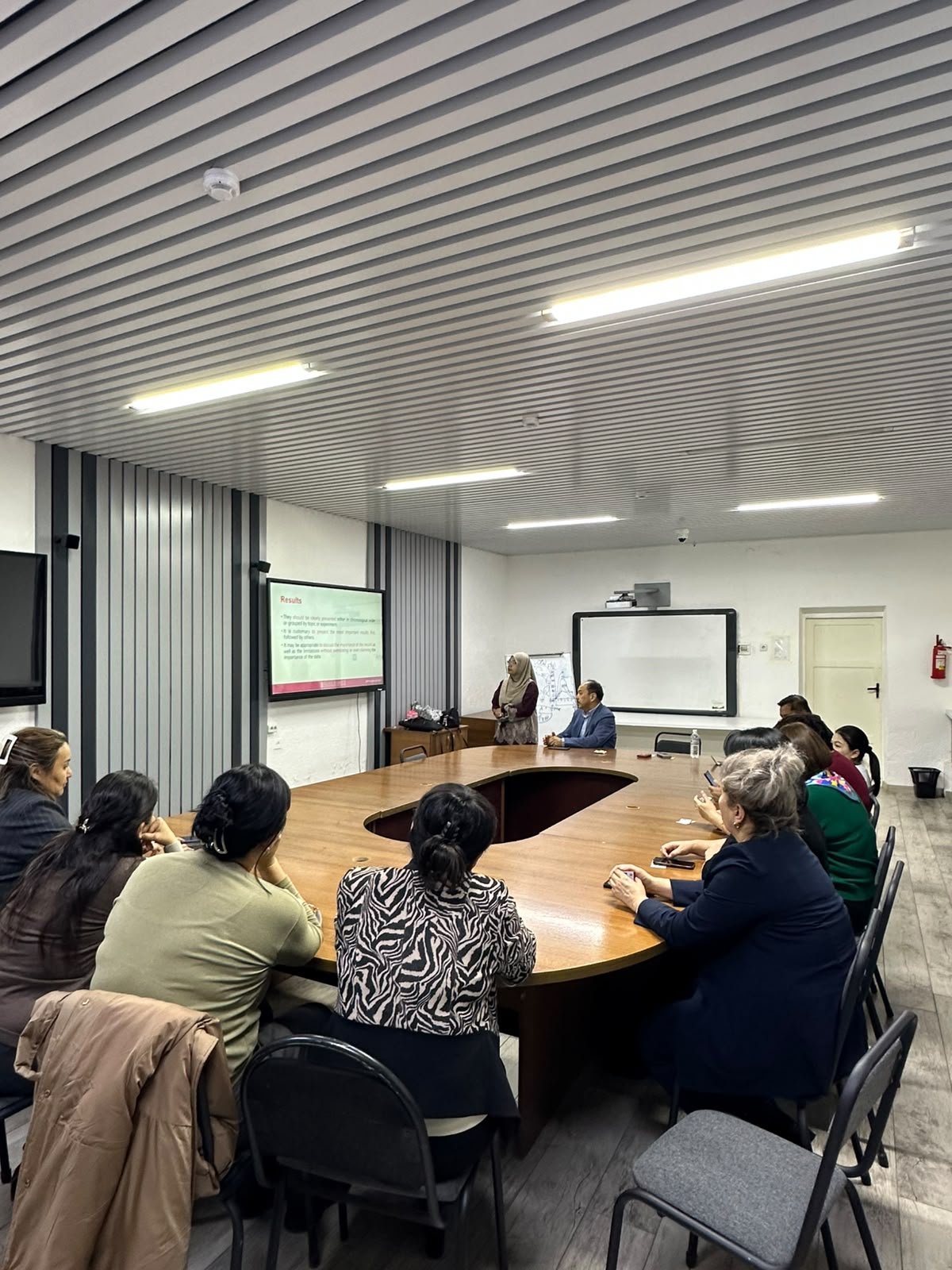
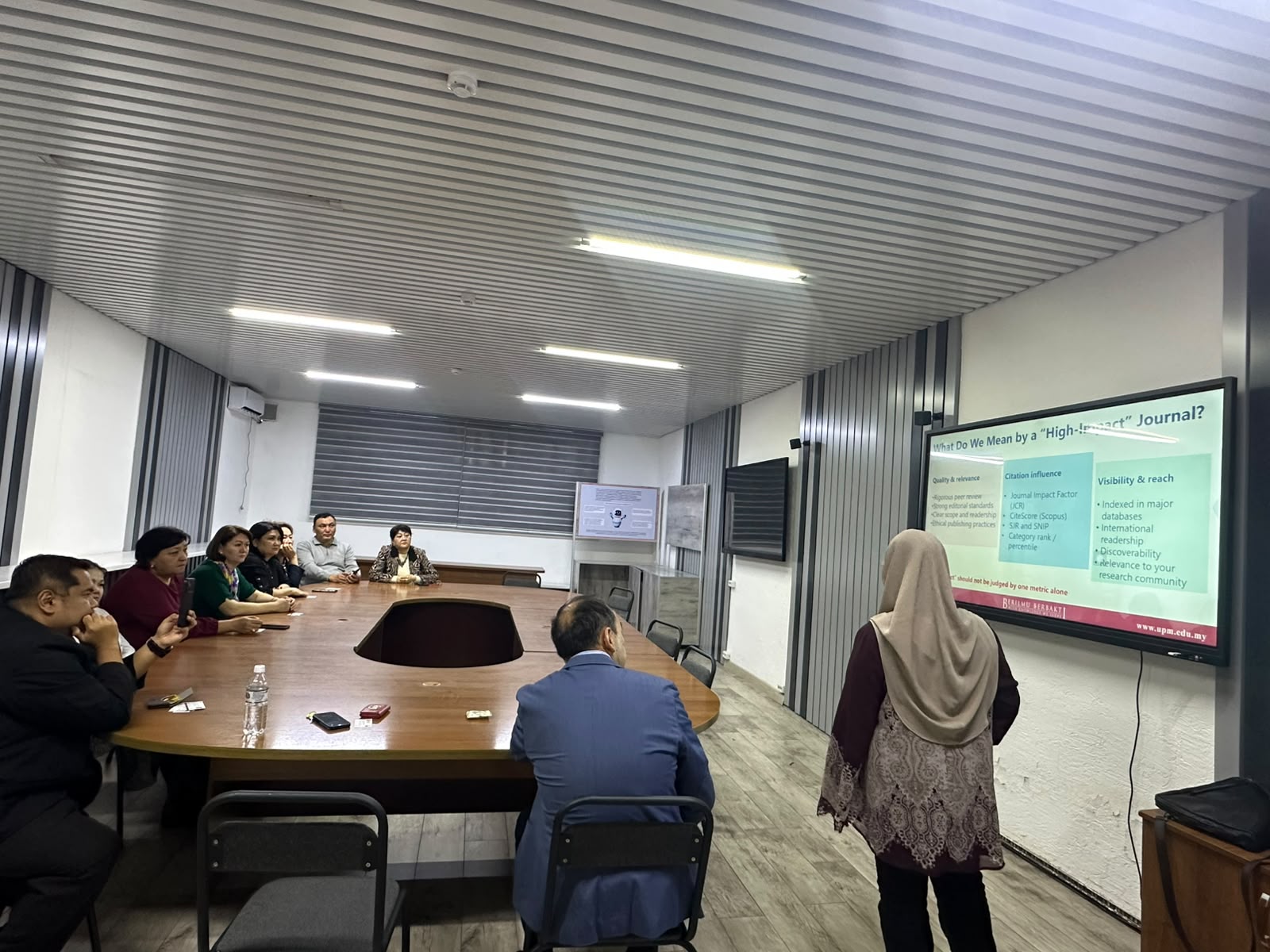
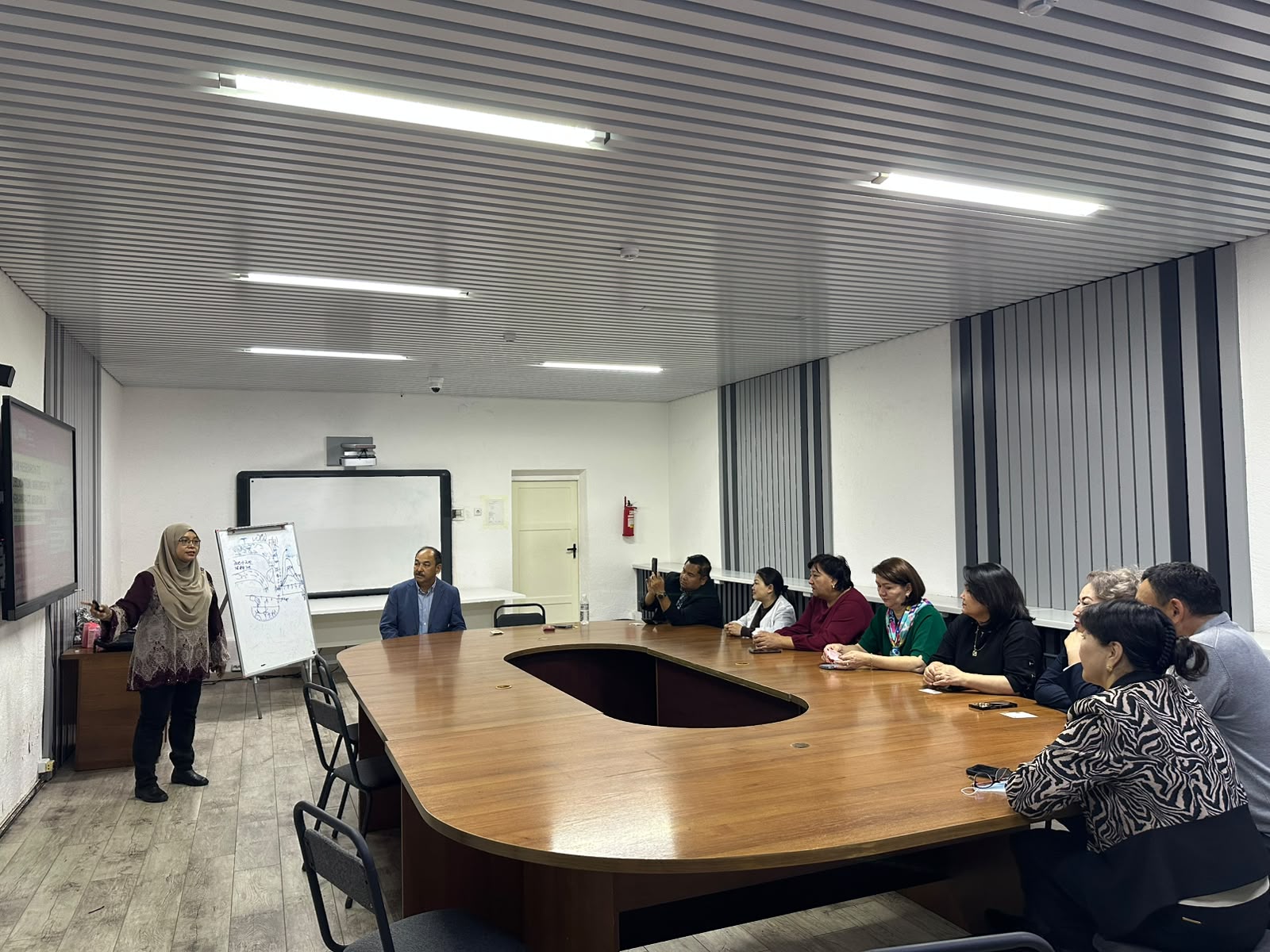
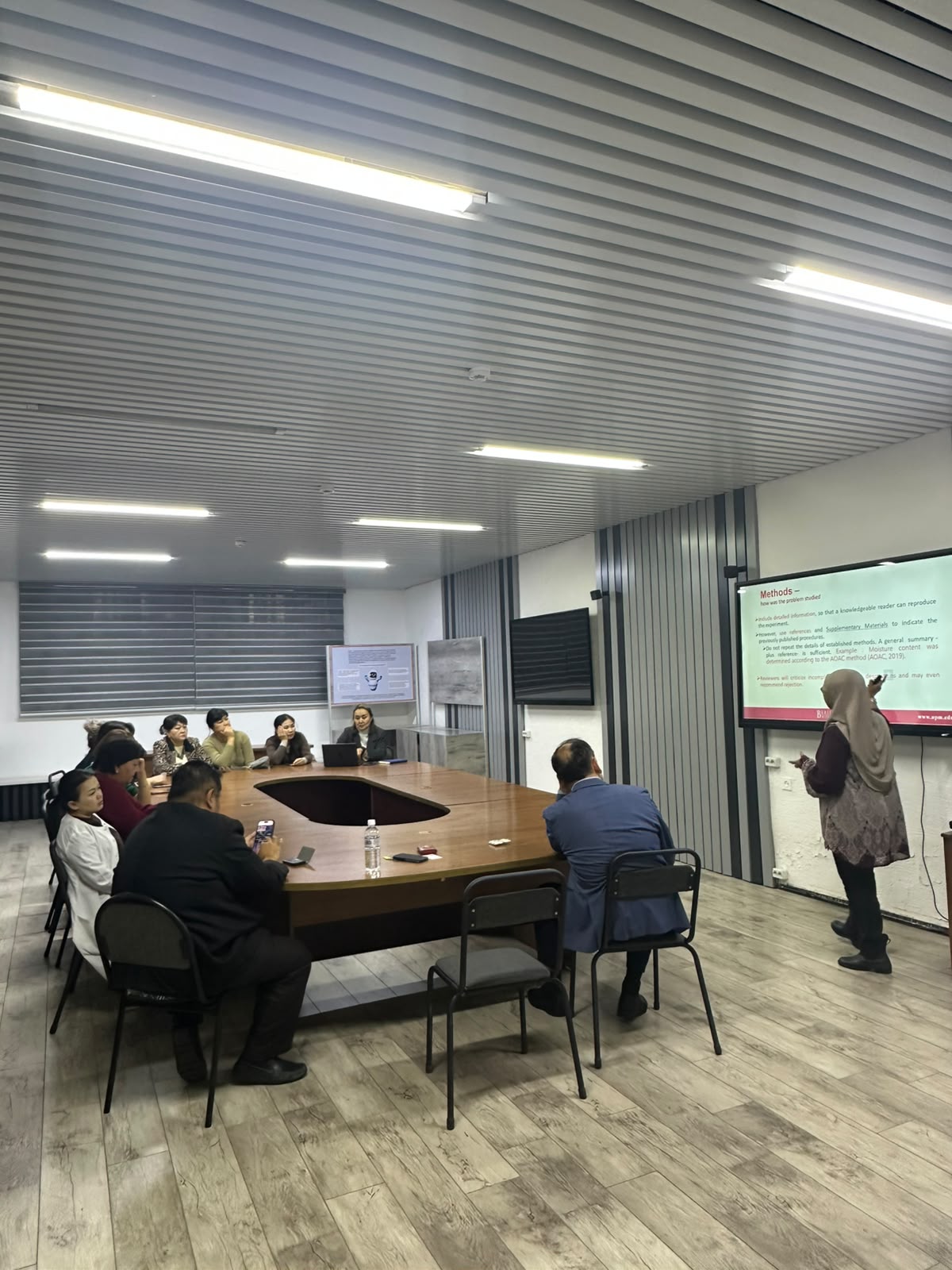
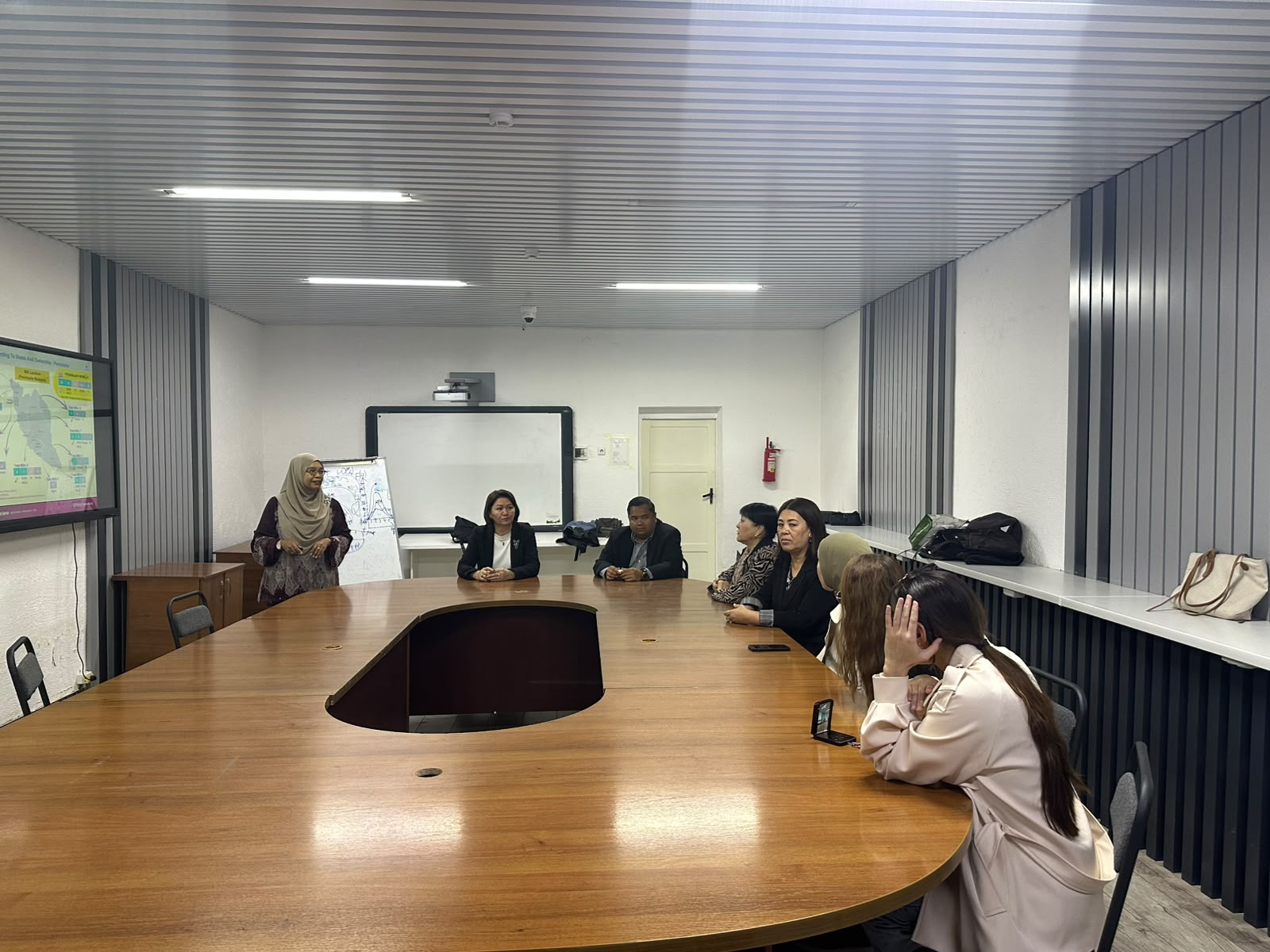
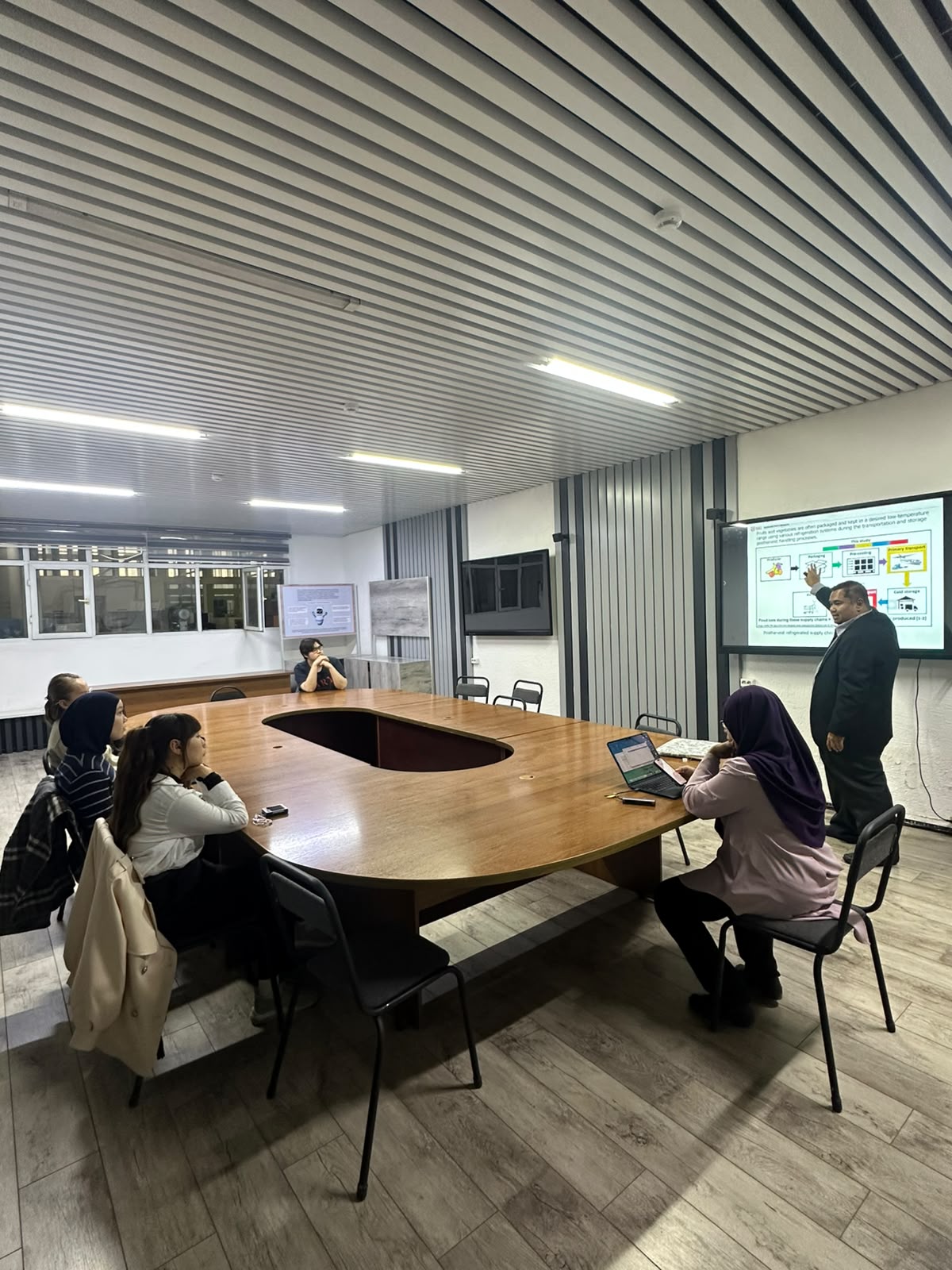
The primary objective of this meeting was to introduce modern scientific methods in the fields of food technology and agricultural product processing, enhance the research competence of master’s students, and strengthen academic cooperation between the two higher education institutions. During the sessions, professors presented the results of their research and conducted a scholarly analysis of current issues in food engineering. The structure of the Malaysian higher education system, the methodology for planning and implementing research projects, the specifics of publishing in international scientific journals, and the organization of research work for master’s students were all examined in detail.
As part of the academic meetings, informative lectures were delivered across the following scientific fields:
Food Product Manufacturing Technology – technologies for developing food products, their structural and physical properties, and methods for quality assessment;
Systems Food Engineering – food engineering systems, as well as the modeling and optimization of technological processes;
Food Processing – modern food processing technologies and methods to enhance their efficiency;
Agricultural Processes and Food Technologies – the processing of agricultural raw materials and innovative solutions in food technology;
Advanced Technologies for Sustainable Food Processing – cutting-edge food processing technologies based on the principles of sustainable development, with a focus on energy conservation and environmental safety;
Food Industry Waste Management and Recycling – technologies for managing food industry waste and transforming it into valuable products through recycling.
The discussions took the form of scientific debates, Q&A sessions, and the analysis of specific research case studies. Master’s students had the opportunity to receive methodological guidance from professors regarding their own research topics and to discuss their findings. This fostered the development of the students' scientific thinking, helped shape a research-oriented culture, and provided exposure to international scientific practices.
In closing, the visiting faculty expressed their gratitude to the leadership and teaching staff of the M. Auezov Research University for the excellently organized academic program. They particularly noted the high level of the students' scientific preparation, their intellectual curiosity, their keen interest in research, and their active participation. Furthermore, both sides expressed a mutual intention to pursue joint scientific projects, promote academic mobility, and hold future meetings. This engagement was seen as having laid a solid foundation for the continued development of scientific cooperation between the two universities.
powered by social2s